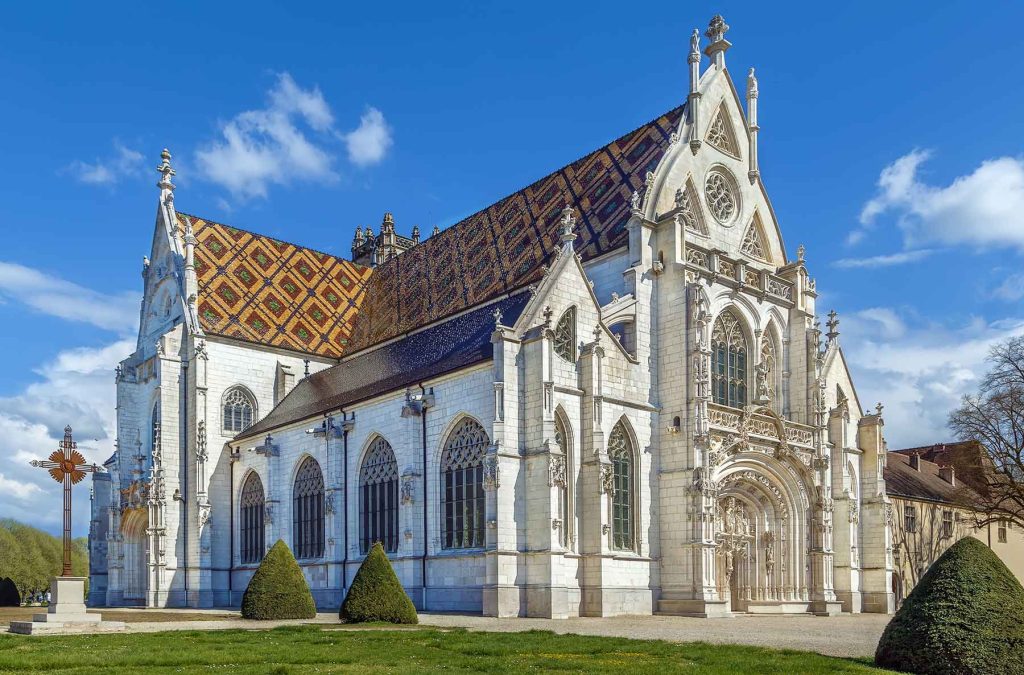
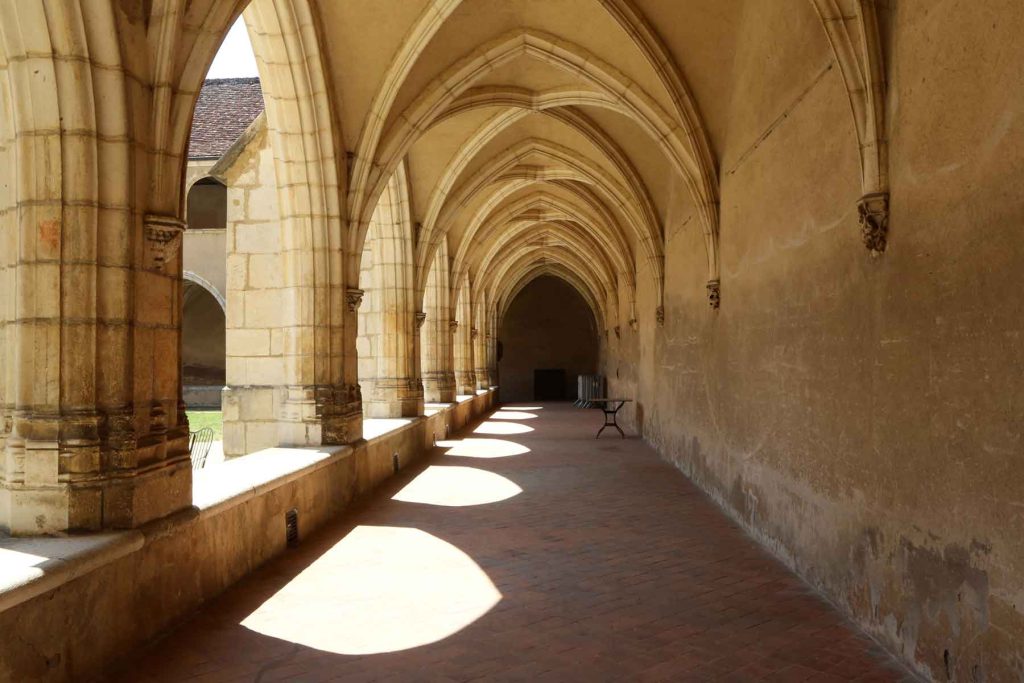
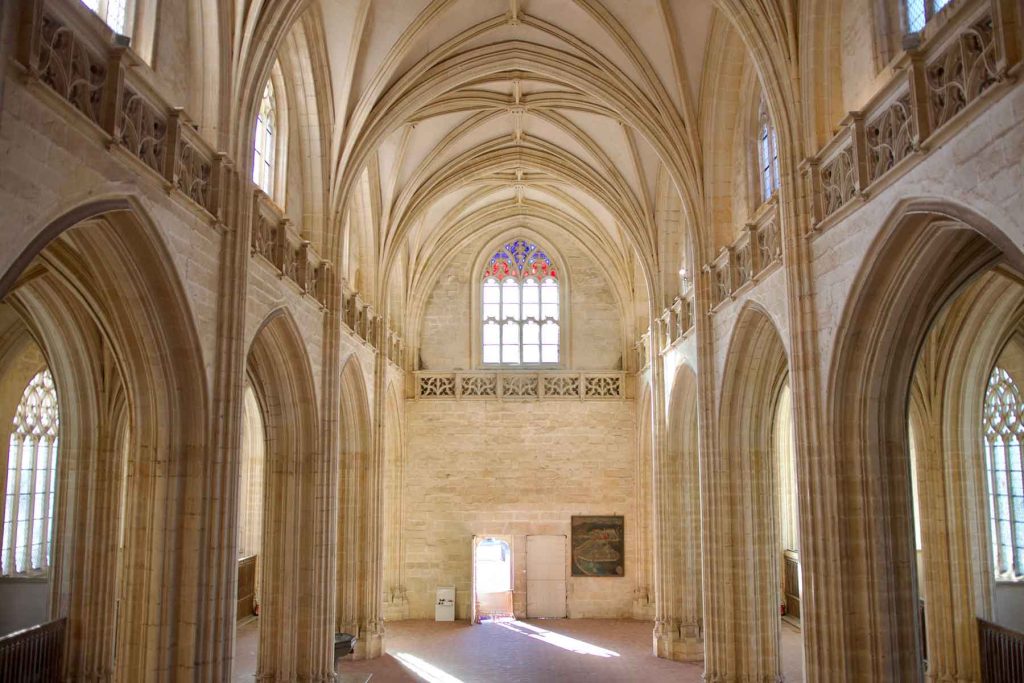

The Monastère Royal de Brou is a flamboyant Gothic masterpiece built in the Ain region by Marguerite of Austria at the dawn of the Renaissance. The monastery has three cloisters and can be recognized by its superb glazed roof and pristine white facades. Be sure to visit this Gothic gem on your camping vacation in the Ain region.
A monastery born from a love story
Marguerite of Austria decided to build the royal monastery of Brou, where a modest priory had stood until then, as a tribute to her husband Philibert le Beau, Duke of Savoy, who had died while hunting. Determined to be buried alongside her husband on his death, the monastery was to house three sumptuous tombs: that of Philibert le Beau, that of his mother and that of Marguerite d’Autriche herself. Work began in 1505. Construction progressed rapidly (well, for the time!), and the monastery was completed in 1532. Marguerite of Austria sent the cream of the artists of the day, including the architect Loys Van Boghem. Sadly, she died in 1530, never to see her work completed. On her death, she joined her husband and was buried at Brou in 1532.
A church unique in France and a setting for three tombs
The Brou monastery church is one of a kind in France, drawing its inspiration from Northern European architectural styles. Its roof, in particular, is sumptuous. Its renovation at the dawn of the 21st century has restored it to its former glory. Flamboyantly Gothic in style, this church is a veritable lace of stone.
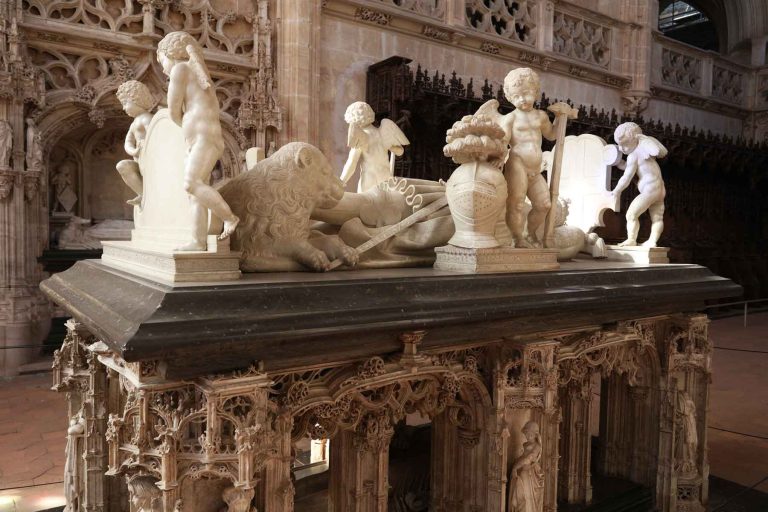
This church is a magnificent setting for the three tombs it was designed to house. The tomb of Marguerite de Bourbon, mother of Philibert le Beau, is carved into the south wall. The duchess is depicted in full regalia. The tombs of Marguerite of Austria to the north and Philibert le Beau in the center are two monumental, elegantly decorated tombs. These tombs are designed in 2 parts: the recumbent figure, at the top, represents the person as if alive, in full regalia; at the bottom, the deceased, more simply dressed. These tombs were restored in 2018. During your visit to the monastery, take time to admire the finesse of the work, but also the quality of the materials, where white Carrara marble from Pisa rubs shoulders with black stone from Belgium and alabaster from the Jura.
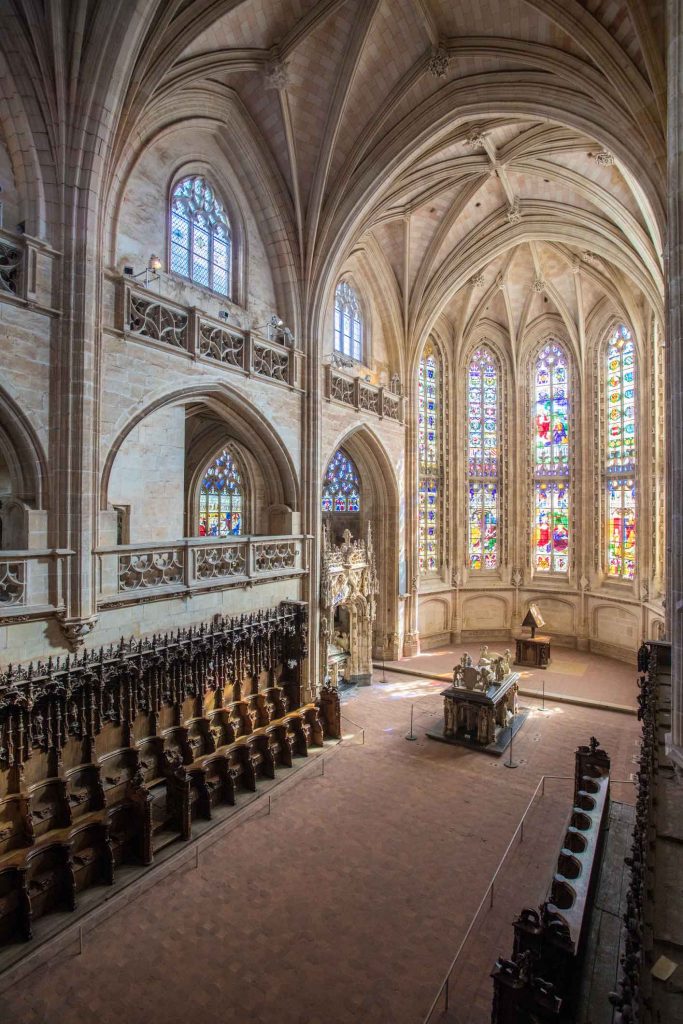
Between the nave, intended for the faithful, and the choir, reserved for the religious, stands the rood screen. This stone enclosure is of incredible refinement. It’s one of the few remaining in France. Its original purpose was to enable Marguerite of Austria to pass from her apartments to the church. An itinerary you can follow today. From the top of the rood screen, discover the nave and choir from a new perspective. You’ll then reach Marguerite’s apartments, the Municipal Museum of Fine Arts and the monastery’s three cloisters.
Original stained glass windows
The church’s stained glass windows have survived the ravages of time. The stained glass windows in the choir and adjacent chapels were created between 1525 and 1532. They depict Marguerite of Austria and Philibert le Beau in situations inspired by the Gospels. Created by master glassmakers from Bresse and Lyon, they were inspired by engravings by Dürer and Titian. On their own, they justify a visit to the monastery during your camping vacation in the Ain near the Brou monastery.
Our campsites near Bourg en Bresse and Brou Monastery
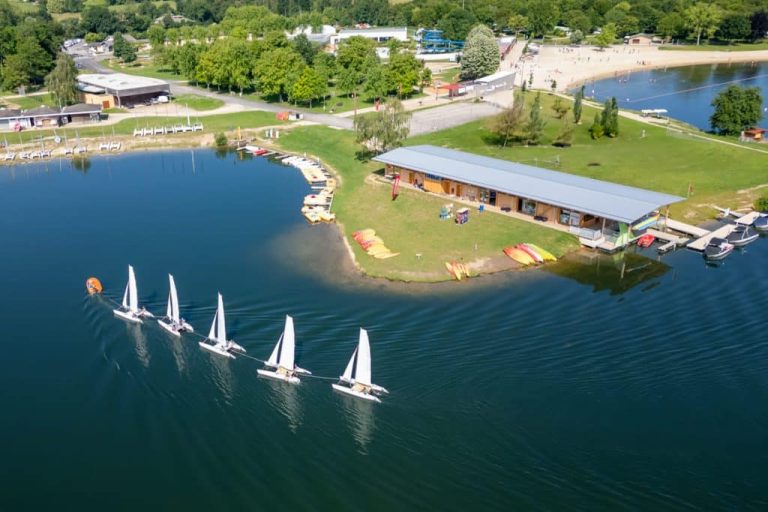
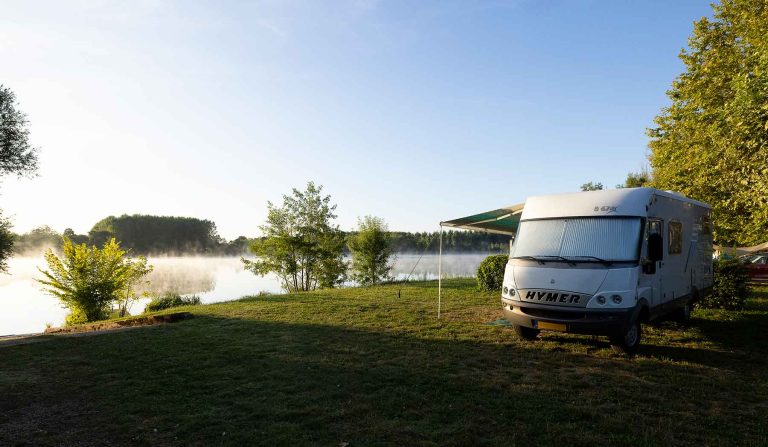
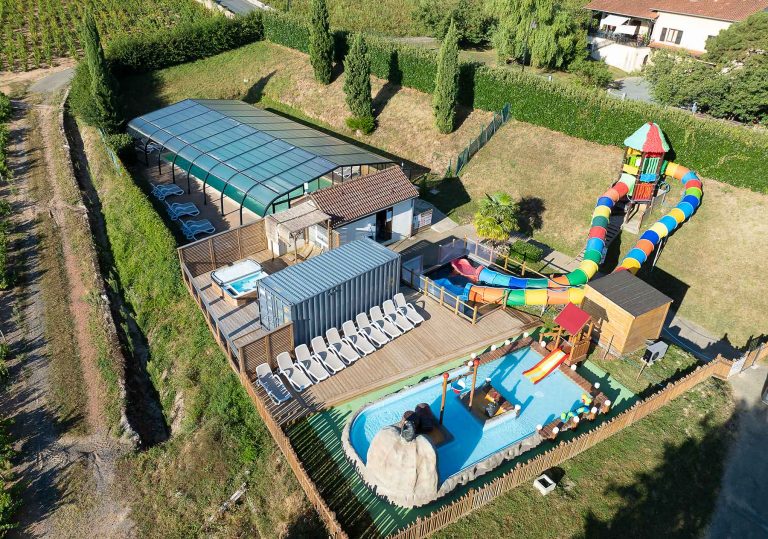
A selection of campsites in the Ain with camping pitches for your vacation in a caravan, tent or motorhome.


Leave a Review