


With its numerous prehistoric sites and cave paintings dating back more than 14,000 years, its medieval castles and Cathar sites, Ariège has a long and rich history. So make the most of your camping holiday in Ariège with your caravan, tent or motorhome and treat yourself to a journey back in time.
Our campsites with pitches in Ariège
Camping holidays in the land of prehistory
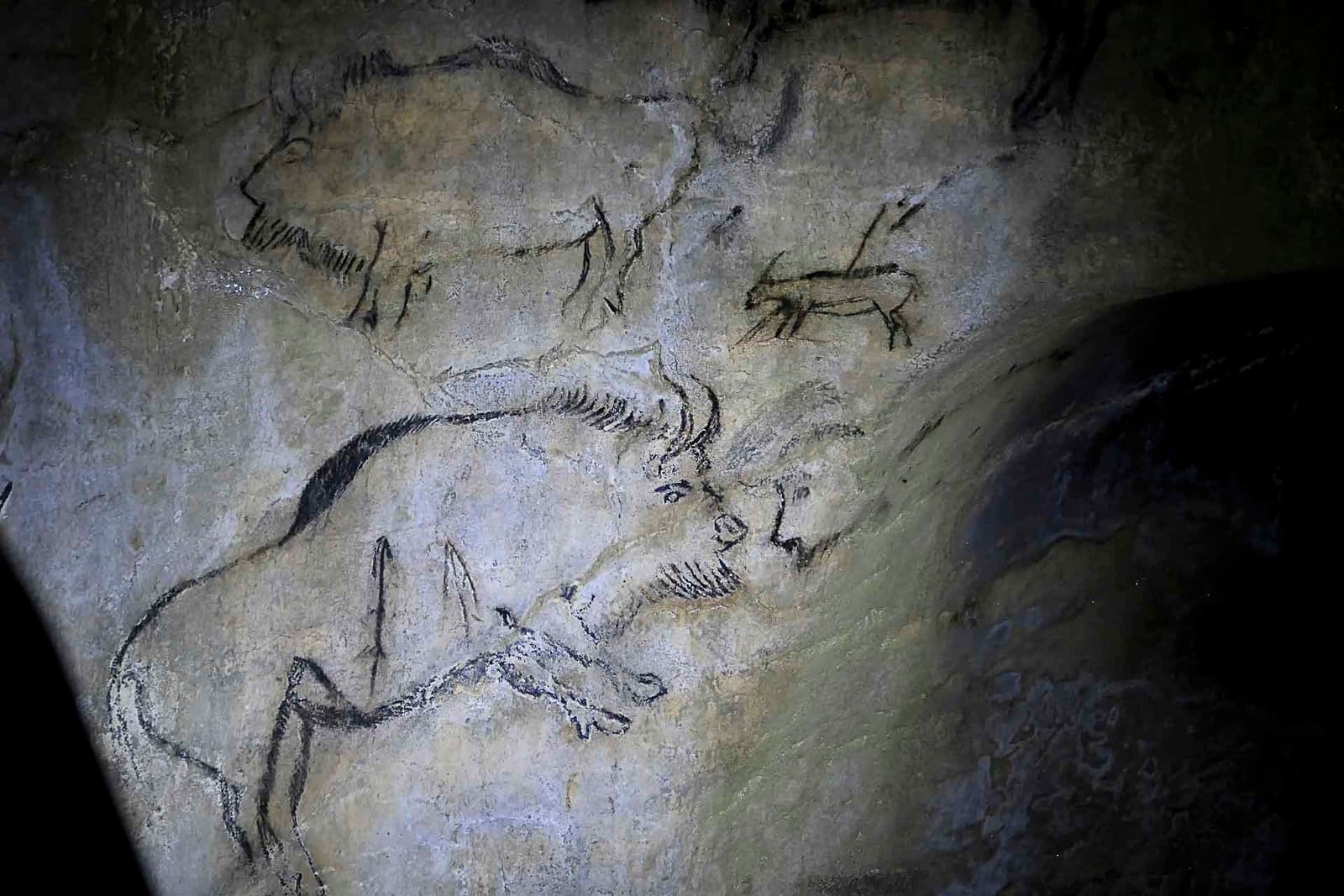
There are six caves open to visitors in Ariège. Although not all of them have been inhabited by humans, the Niaux Cave, the Mas d’Azil Cave and the Vache Cave bear witness to human occupation dating back 14,000 years to the Magdalenian period, when hunter-gatherers were the last humans of the Palaeolithic era. The Salon Noir chamber in the Niaux cave is the masterpiece of this era. Its walls are decorated with very realistic drawings of animals in black lines. The cave was not inhabited, but rather served as a sanctuary, so people came specifically to the cave to paint the animals they had observed in nature. There are no fewer than 100 representations of animals in the cave, 80% of which are in the Salon Noir. It should be noted that unlike other large prehistoric caves such as Lascaux or the Chauvet Cave, when you visit the Niaux Cave, you are not visiting a facsimile, but the original cave. Not far away, the Cave of the Cow is the perfect complement to the Cave of Niaux. This cave was occupied by humans at the time when the Black Room was covered with cave paintings. We can therefore imagine that the people who decorated the Cave of Niaux, or at least their contemporaries, lived in the Cave of the Cow.
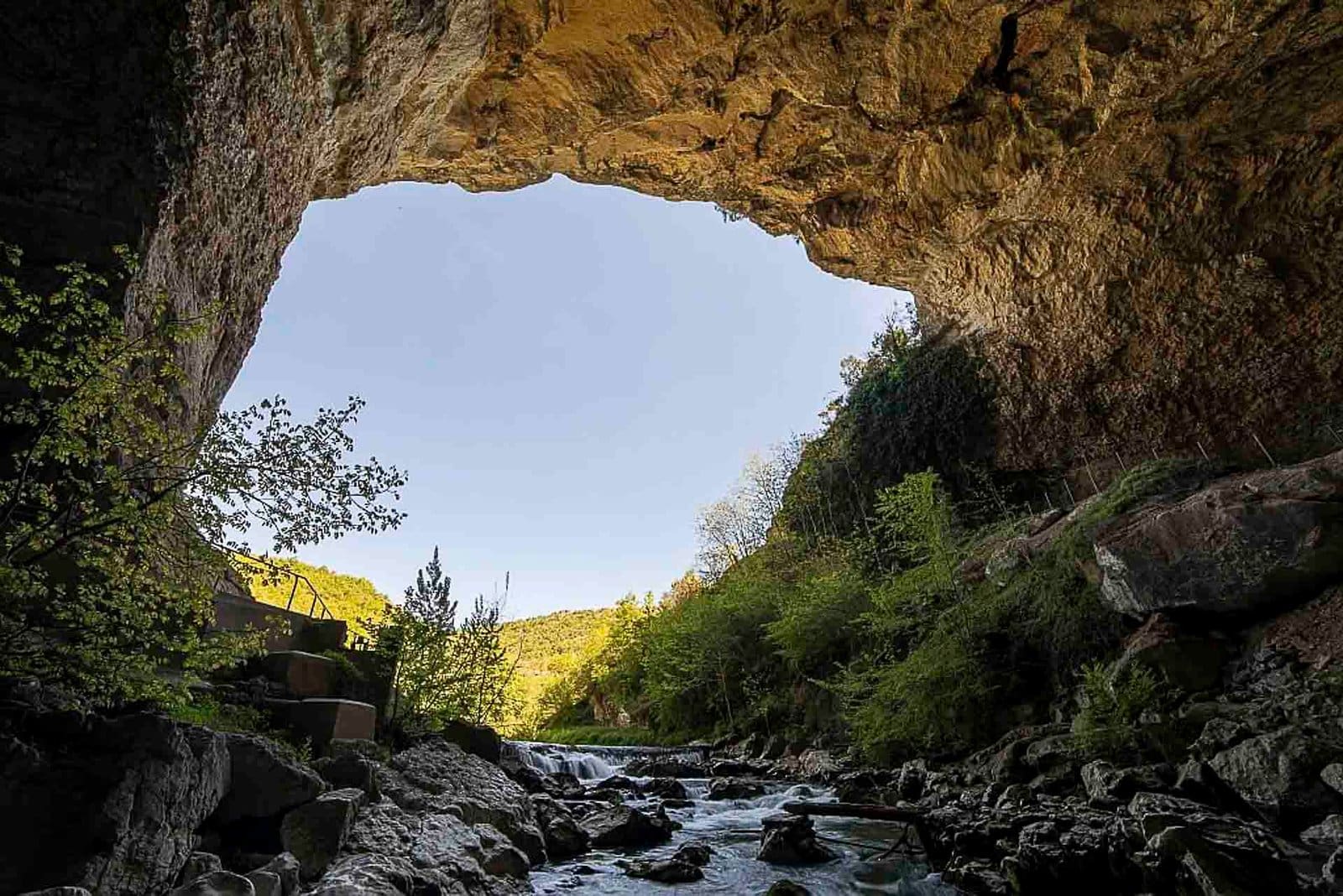
The Mas d’Azil cave was inhabited by humans. Numerous prehistoric remains have been found there, including paintings, of course, but also tools. An interpretation centre provides a better understanding of the period thanks to the excavations that have been carried out in the cave. It should be noted that the Mas d’Azil cave is unique. It is crossed by a river and a road that can be travelled by car.
If your dive into the prehistoric caves of Ariège has made you want to learn more about our ancestors, a quick detour to the Prehistory Park in Tarascon-sur-Ariège is a must. In addition to its 2,500 m² of museum space, this park offers a fun visit for families with workshops that will put you in the shoes of Cro-Magnon man (lighting fires, cutting flint, hunting, painting on walls) or archaeologists (learning excavation techniques).
If you want to become an expert on prehistory, be sure to visit these caves or the prehistory park during your camping holiday in Ariège.
Stroll through Cathar country
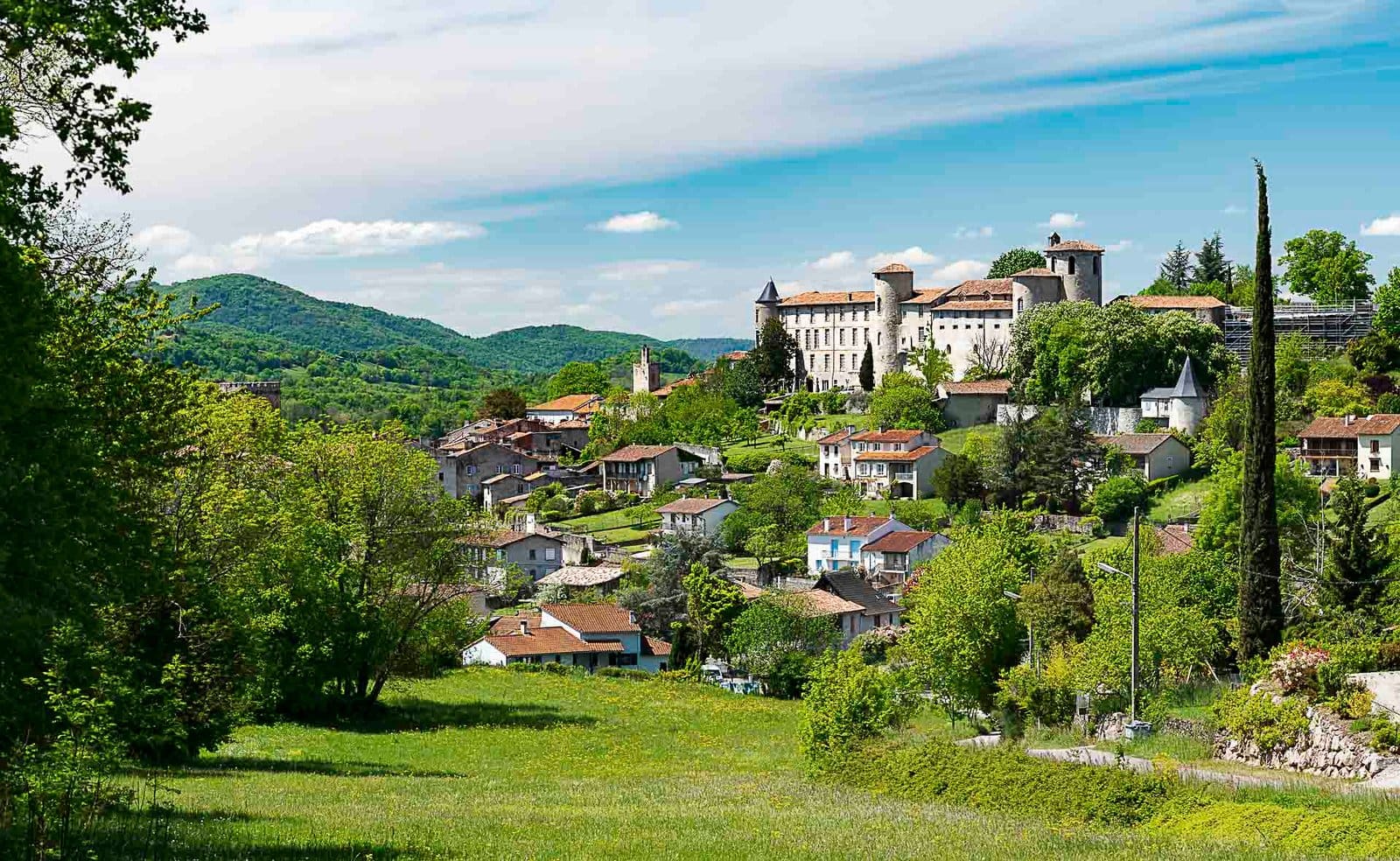
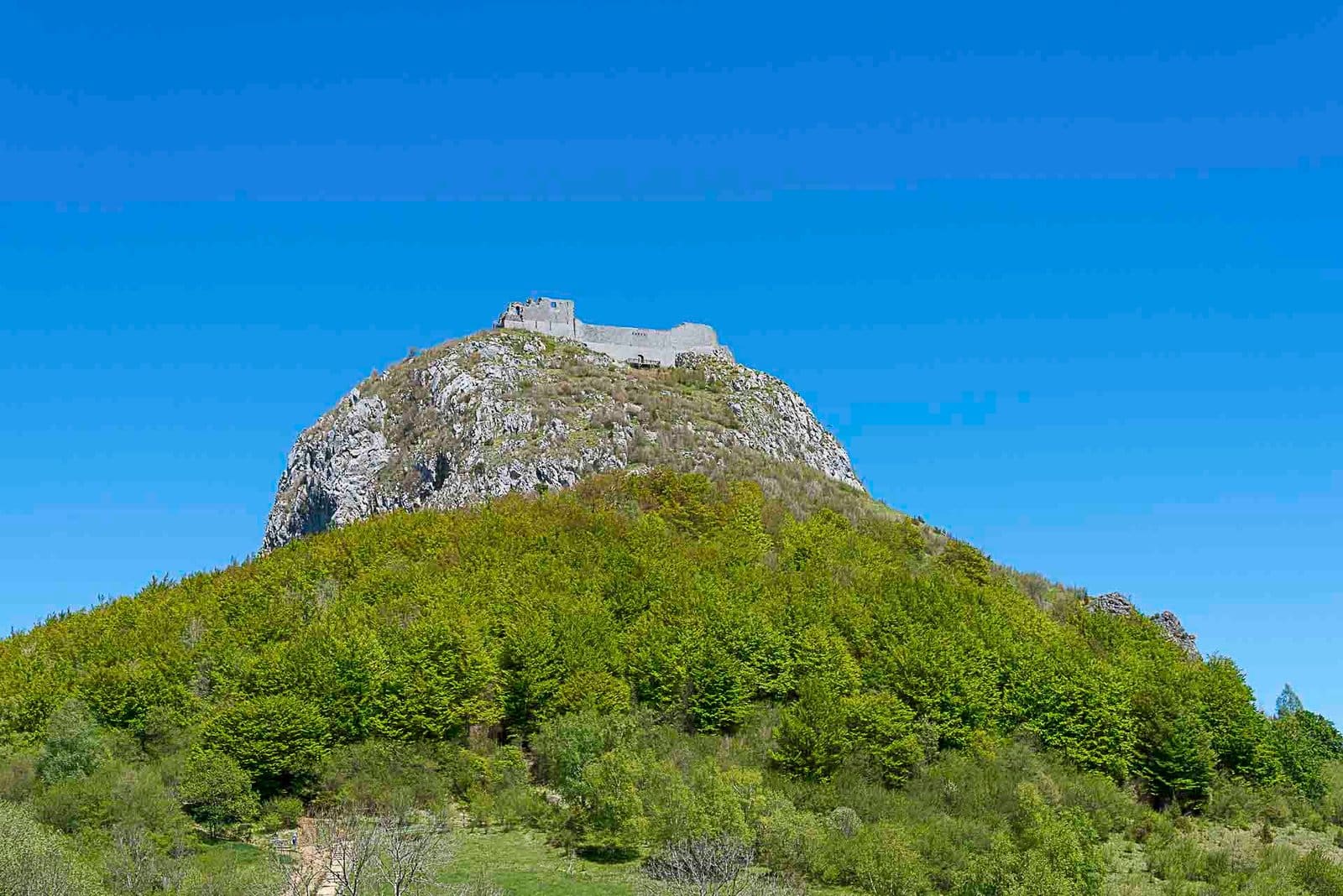
At the turn of the millennium, numerous deviations from Christianity emerged in Europe. Among these deviations, Catharism had a profound impact on the Ariège region. Founded in France in the 12th century, this movement claimed to follow Christianity and the New Testament, living in poverty and working with their hands, like the apostles. They also denounced the Church for being too rich and too closely linked to the powerful. After several decades of condemnation, Pope Innocent III launched a crusade against the Cathar heretics. In just over 30 years, the Cathars were exterminated in south-western France. The symbol of the crusade against the Cathars is the castle of Montségur. Occupied by a Cathar community, this castle, perched on top of a hill, became the headquarters of the Cathar movement in 1232. After a siege lasting several months, it was the last Cathar stronghold to fall in 1244 and more than 200 Cathars were burned there. Today, you can visit the ruins of this castle, still perched on top of its hill, and at the same time enjoy magnificent views of the surrounding countryside.
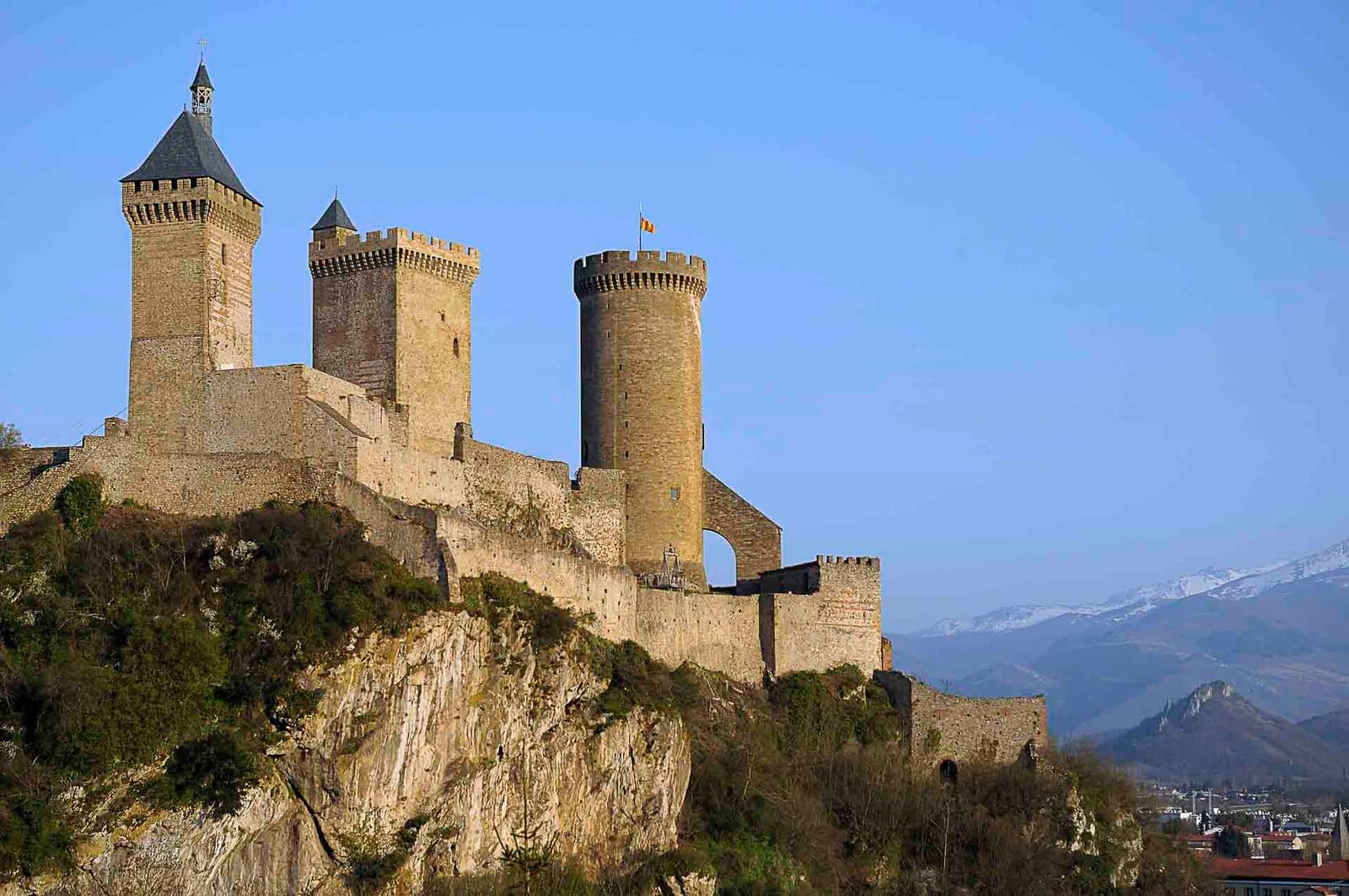
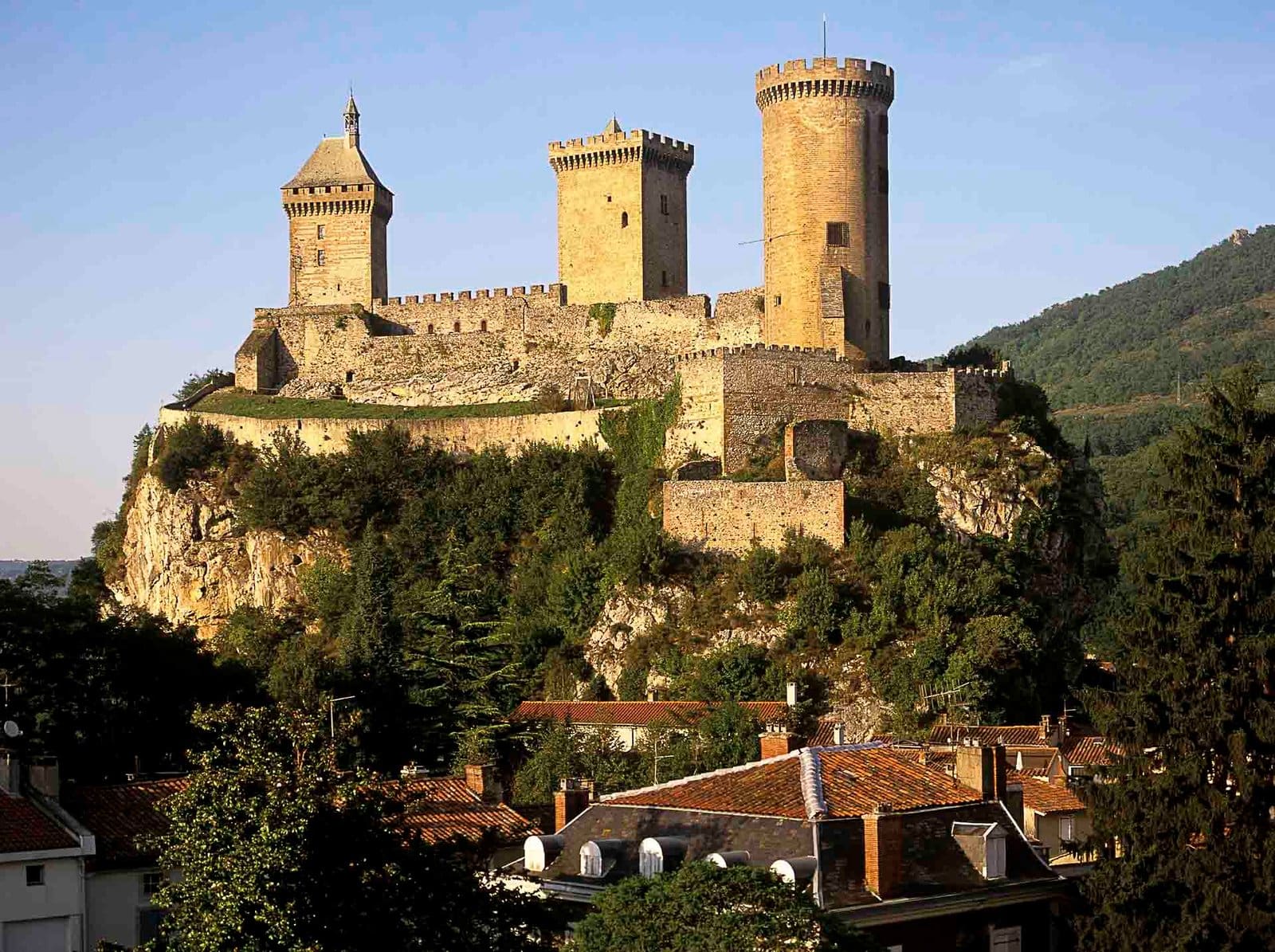
In addition to Montségur Castle, other Cathar sites are worth visiting during your camping holiday in Ariège, including Foix Castle. Standing atop a rocky outcrop 60 metres above the town of Foix, this perfectly preserved medieval castle is easily recognisable with its ramparts and three towers. Although this castle was never associated with Catharism by the Church and its crusaders, the Counts of Foix maintained good relations with the movement. Today, this castle offers you a real immersion in medieval Ariège. During your visit, you will discover rooms that seem unchanged since the 13th century, as well as siege weapons (trebuchets, catapults, etc.) outside the building. Workshops also allow you to try your hand at activities from the period, such as crossbow shooting, blacksmithing and stone cutting.
Medieval towns and villages near your campsite in Ariège
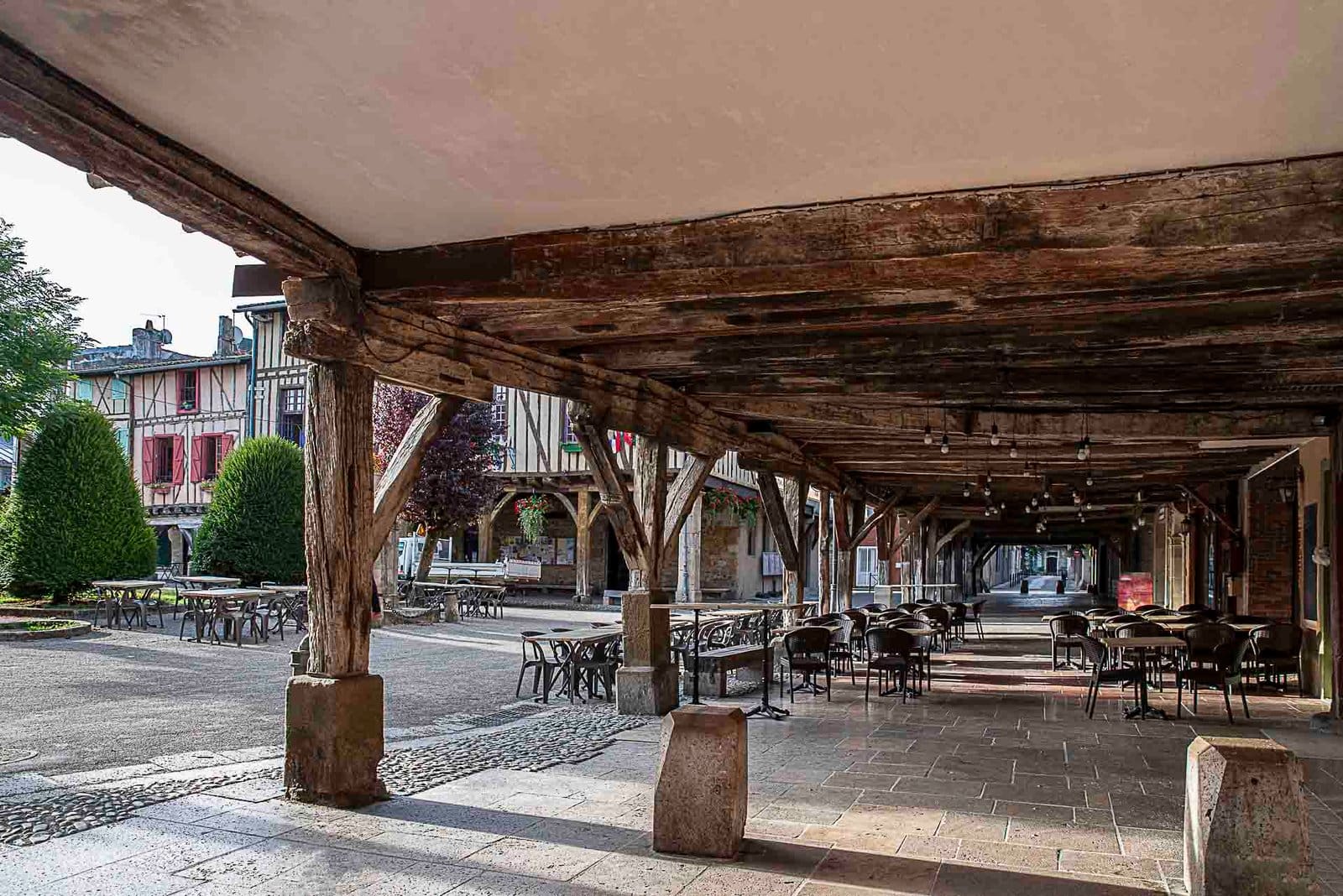
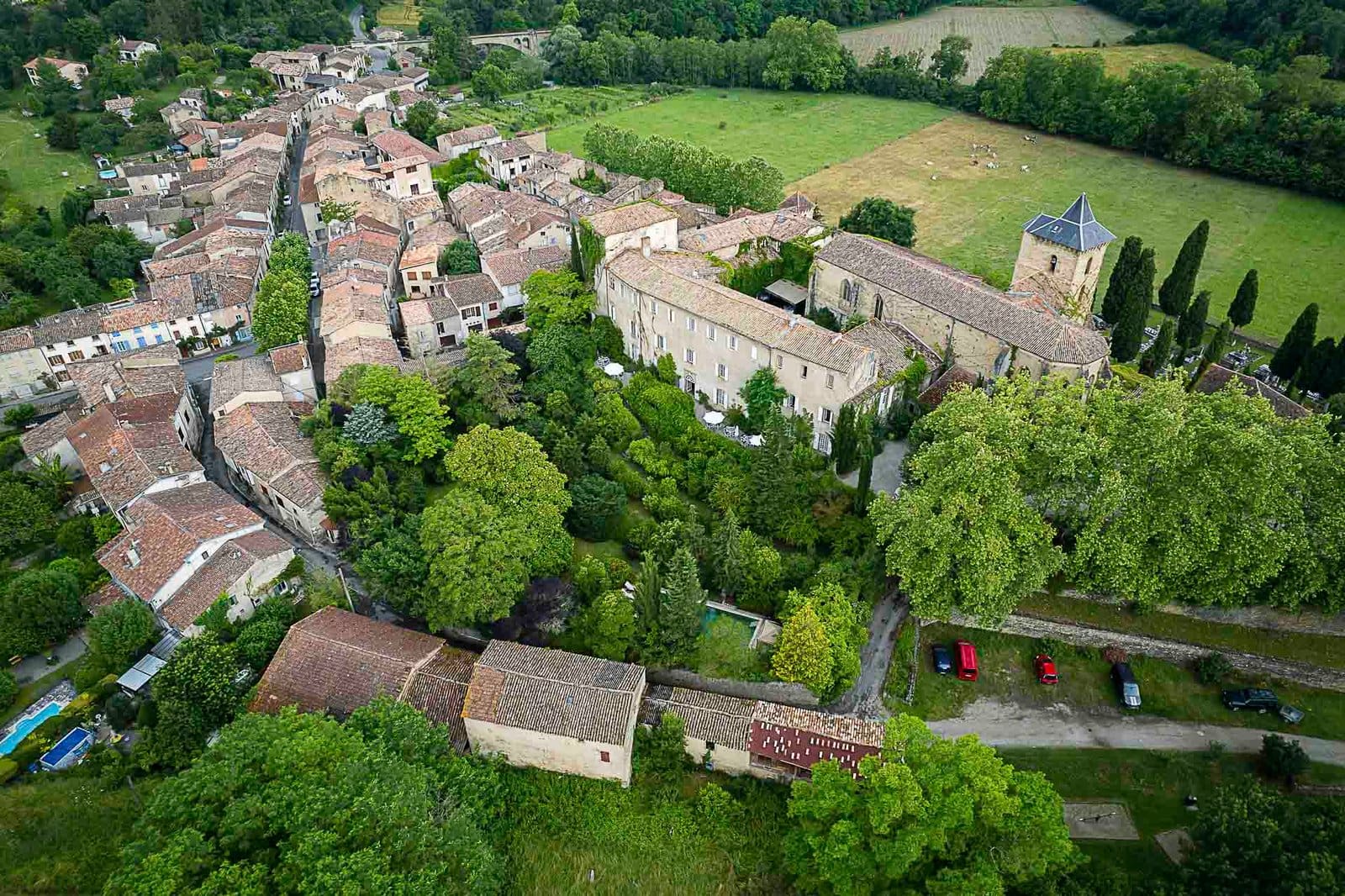
The castle is not the only attraction in the town of Foix. Its old town offers a glimpse into the Middle Ages with its narrow streets, covered passageways, market halls, fountains and half-timbered houses. But it is not the only reminder of this era. With its covered market halls and colourful half-timbered houses, Mirepoix is another of the Ariège’s gems. Every year in August, this small town comes alive during the international puppet festival, which features numerous shows and festivities. It’s a different way to enjoy the town. However, if you prefer peace and quiet, avoid these few days, which attract thousands of people to Mirepoix. In addition to its medieval towns, Ariège is home to a number of charming villages such as Saint-Lizier with its episcopal palace, a UNESCO World Heritage Site, and Camon, the only village in Ariège to be awarded the label of “Most Beautiful Village in France”. These are all places not to be missed during your next holiday in a caravan, tent or motorhome at one of the campsites in Ariège.

Leave a Review