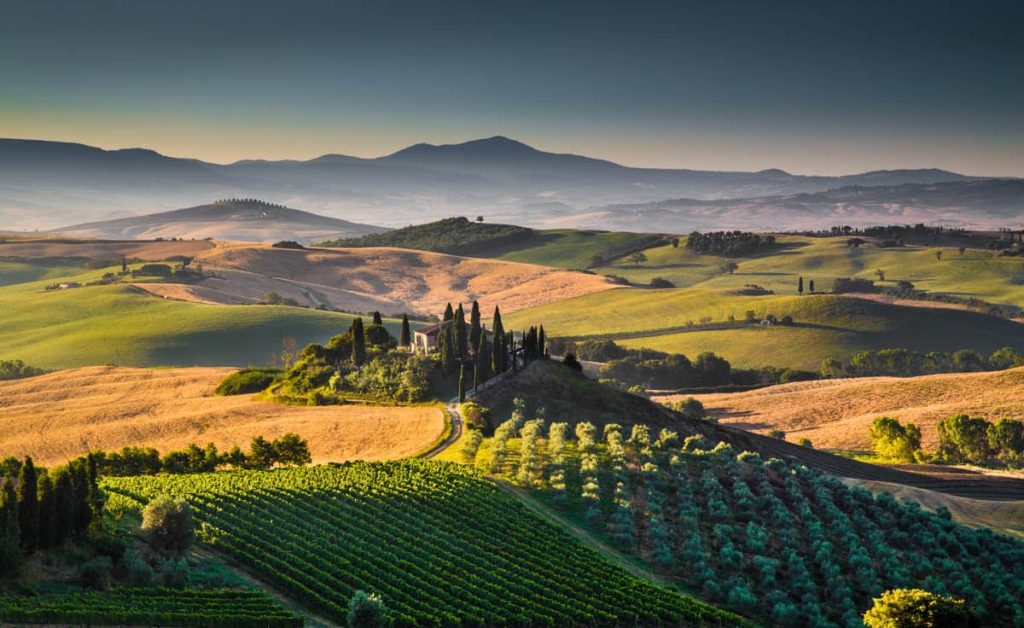
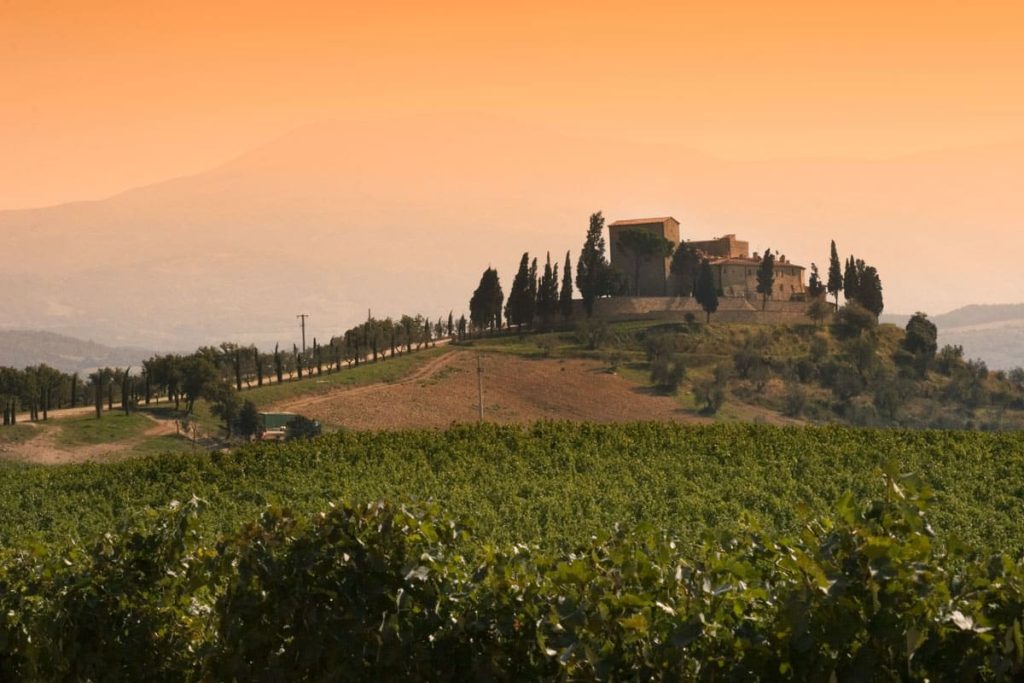
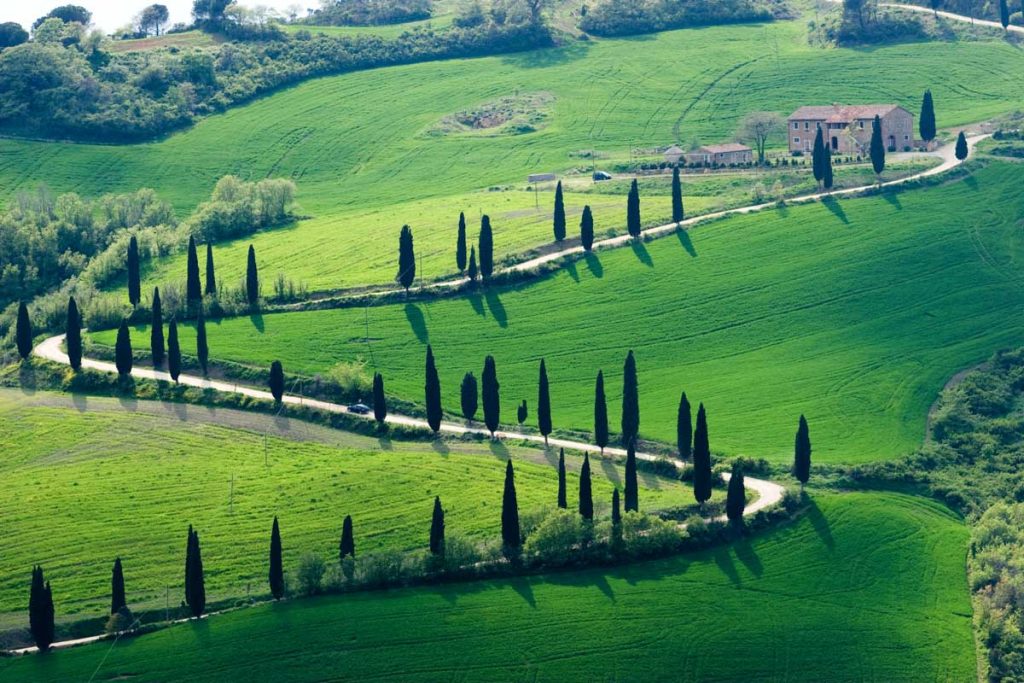
Tuscany. The name alone evokes a certain gentle way of life with the scents of summer evenings. And images immediately spring to mind of hills covered with vineyards and olive trees, medieval villages clustered around Romanesque chapels, and sumptuous cities where the greatest artists of the Renaissance expressed their inspiration in the marble of palaces and churches. Forget your watches and GPS devices when you go on a camping holiday in Tuscany. You have to know how to get lost on the small roads of the Tuscan countryside to fully appreciate this little corner of Italy.
Firenze, city of art
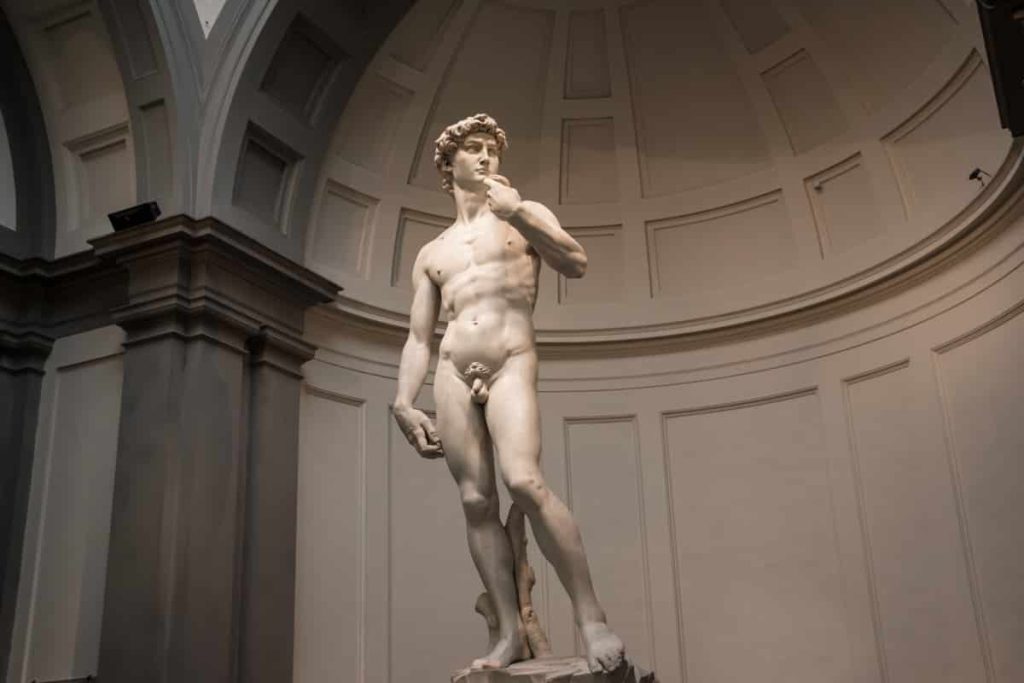
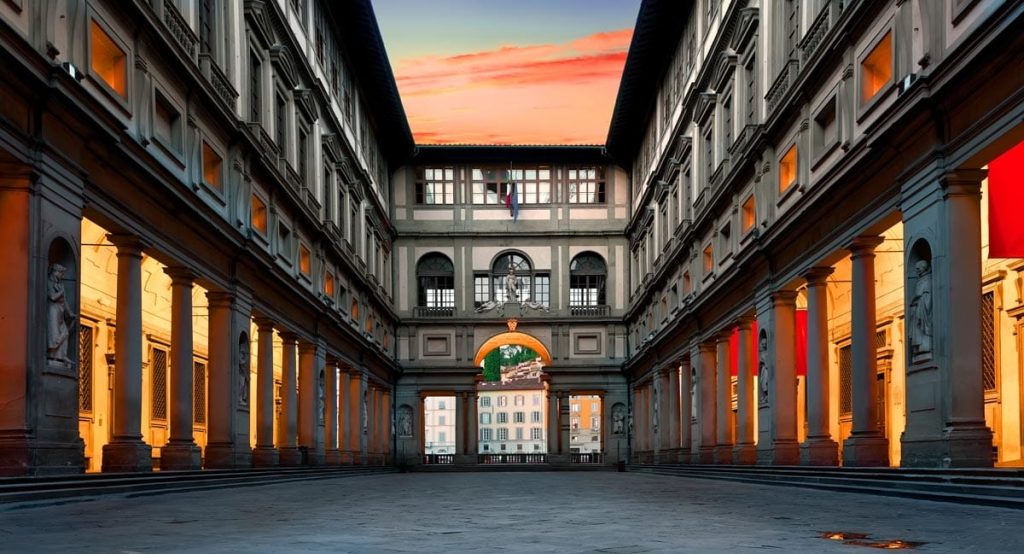
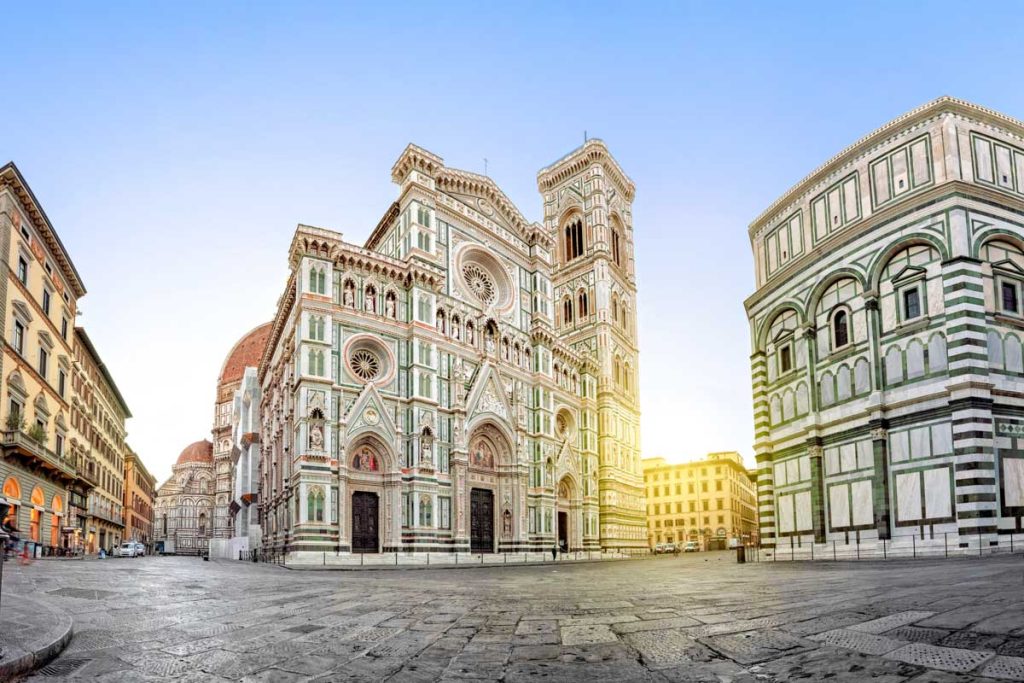
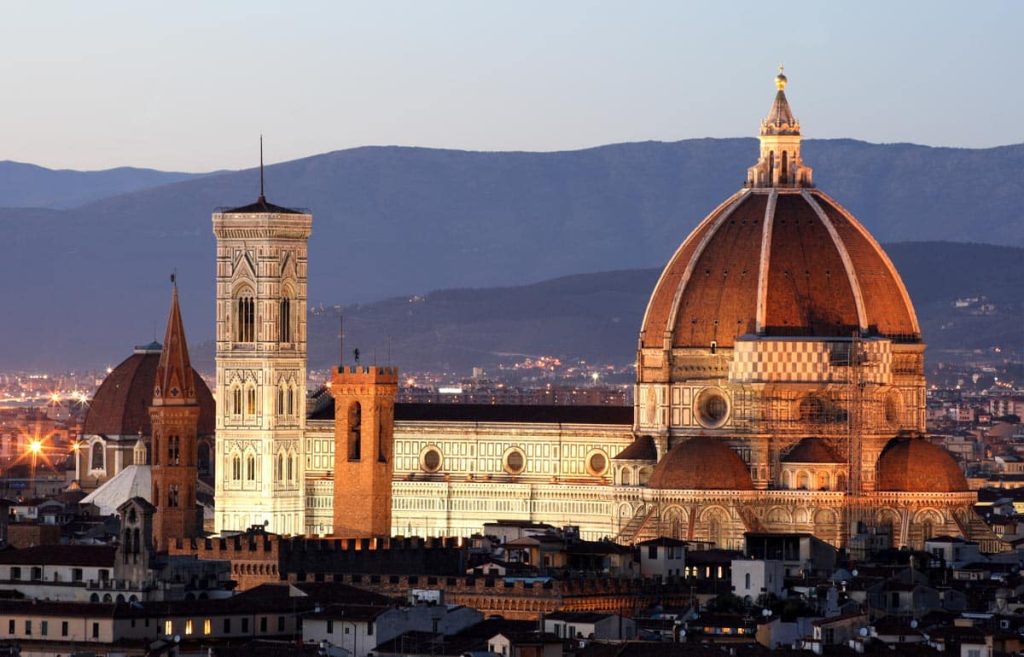
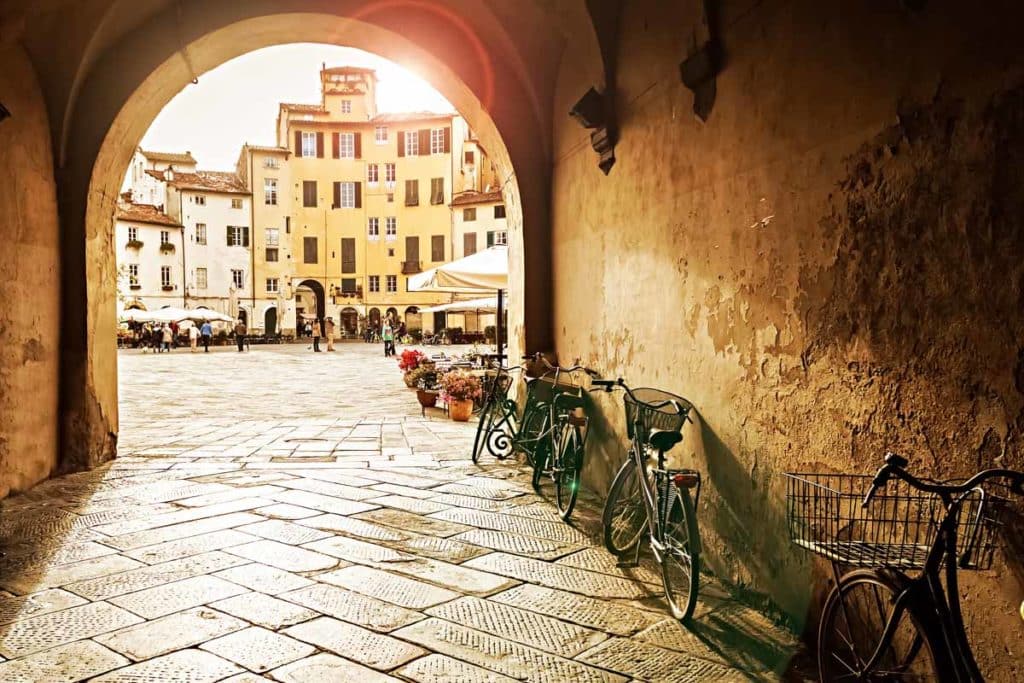
The biggest problem when you go on your first camping holiday in Tuscany is balancing the desire to take your time and savour the gentle way of life that pervades the region, strolling through colourful markets or sipping a glass of Chianti in the shade of an olive tree on the cobbled square of a medieval village, with the desire to see as much as possible. Tuscany has long been a land of artists, and few places in the world can boast such a wealth of masterpieces. Its cities, in particular, are home to architectural treasures from the golden age of the Middle Ages and, above all, the Italian Renaissance. Here, every façade, every fountain and every church is a source of wonder. It must be said that in the 14th and 15th centuries, when Italian art was illuminating Europe, Tuscany was home to, or saw the passing of, all the greatest creators of the time. Sculptors, painters and architects all seem to have come together to turn the region into a veritable museum. While all the cities can boast one or more beautiful monuments, our preference goes to Firenze, Pisa or Siena. Firenze is the jewel of the region. The entire city is a veritable museum with some of the most spectacular Renaissance monuments and the world’s finest collection of Renaissance and medieval paintings. Here, the glorious past of the city where the Medici ruled is present on every street corner. Its cathedral boasts a sumptuous pink, white and green marble façade, making it one of the most famous monuments in the country, and the Palazzio Vecchio, the traditional seat of the city government, offers a glimpse into 14th-century Firenze magnificence. However, such a profusion of masterpieces has one unfortunate consequence: an influx of tourists from all over the world. For these unmissable sites, remember to book your place in advance.

Pisa, a leaning city
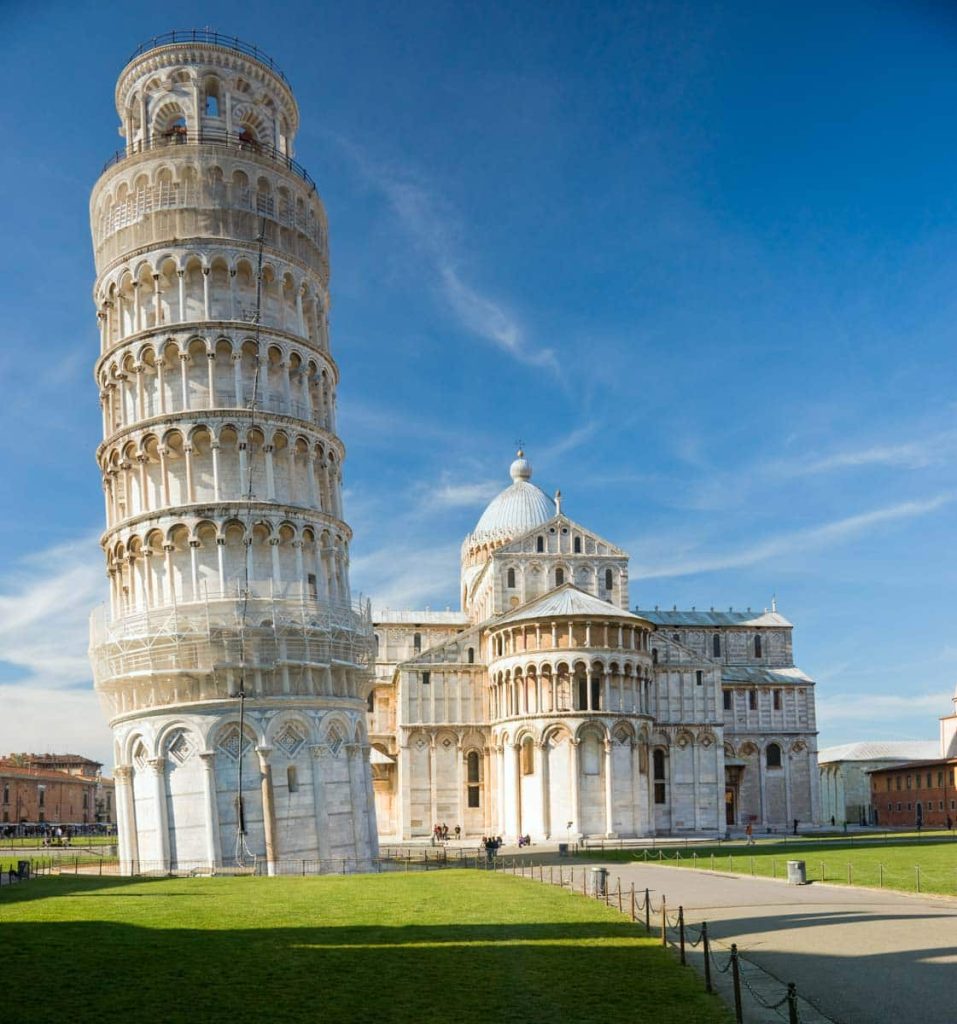
In Pisa, the Piazza dei Miracoli, dominated by the famous leaning tower, has a cathedral (Duomo) that was once the largest in Europe. Its façade, with its green and ivory marble stripes, served as a model for the Romanesque churches of Tuscany. Looking closely at the city, one is surprised to discover that although it owes its reputation to its tower, the entire city is leaning. The city’s soil is composed of a mixture of sand and clay, which makes it particularly loose. This was not taken into account by medieval architects. Thus, without reaching the inclination of the tower, the Duomo and the Palazzo Agostini also lean. So do many of Pisa’s bell towers. However, this does not detract from their majesty.
Siena, a medieval city famous for its Palio
Siena, for its part, is a medieval city where Gothic architecture triumphs over Renaissance art. Its cathedral, in particular, is a jewel of its kind. However, the city’s main attraction is its maze of cobbled streets and historic centre, where traffic is banned wherever possible. Although Siena can be visited at any time of year with equal pleasure, discovering the city during the Palio, its legendary horse race in which the different districts of Siena compete against each other, is a unique experience. For those who don’t mind the crowds!
Tuscany, land of good food
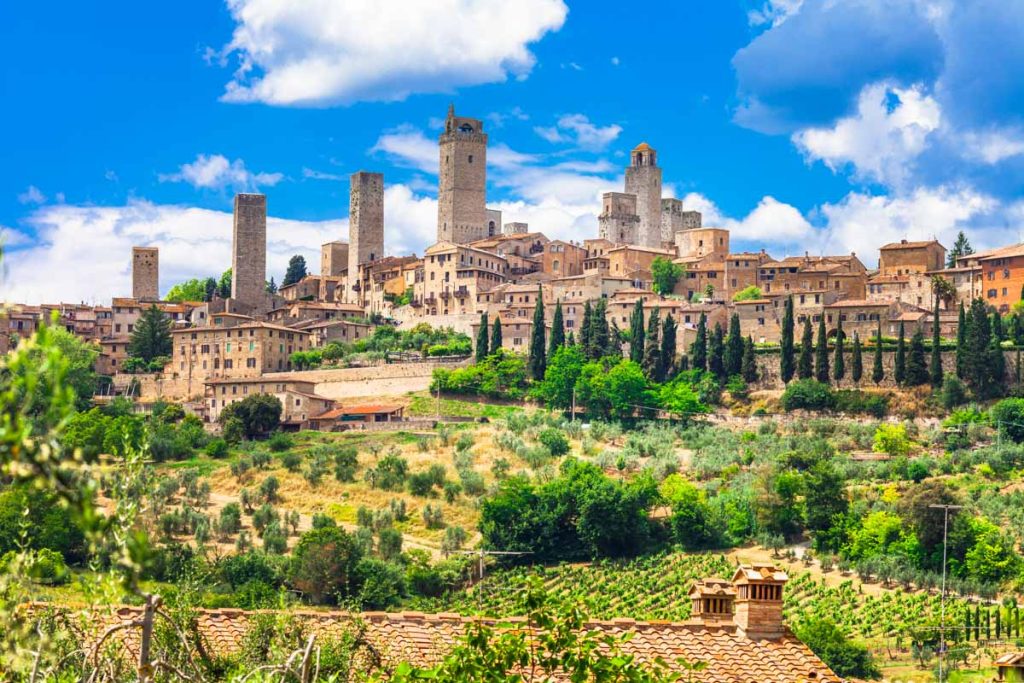
Alongside these large urban areas, Tuscany has a multitude of small towns and medieval villages, often perched on hilltops. While their architectural interest varies, they often have a more authentic charm than the large Tuscan cities. However, towns and villages are just one of the many aspects of Tuscany. You have to leave them behind to discover the rich countryside where vines and olive trees are cultivated. The land is an essential part of Tuscan culture. It is synonymous with good things. The region has eight DOCG wines (Denominazione di Origine Controllata e Garantita, wines with controlled designation of origin), including the famous Chianti. But don’t hesitate to stray from these most renowned appellations to try less prestigious wines that hold tasty surprises, particularly inland from the Etruscan coast, south of Livorno.
Tuscany’s natural beauty
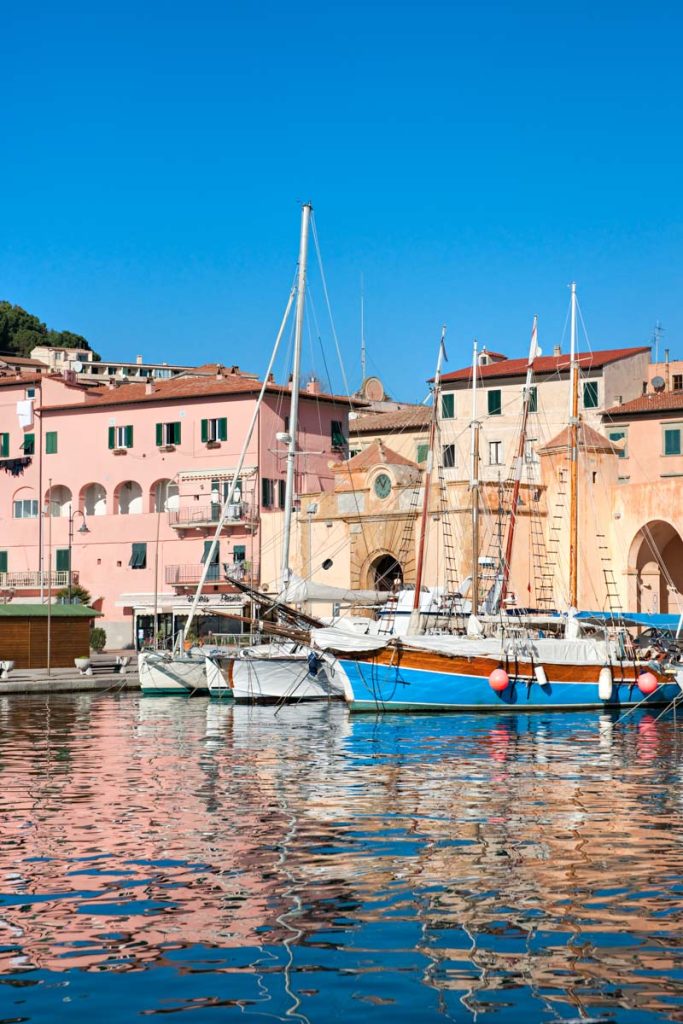
Due to the exceptional artistic heritage of its cities and the quality of its agricultural production, it is often easy to forget that Tuscany is also a region where nature plays an important role. This small part of Italy is home to three national parks: the Parco Nazionale delle Foreste Casentinesi (the largest and best-preserved forest in Italy), the Parco Nazionale den Apenino Tocano Emiliano (which encompasses the Apennine Mountains) and the Parco Nazionale dell’Arcipelago Toscano, the largest marine park in Italy. According to legend, it was in the latter that Venus was born, throwing jewels into the sea. These jewels are said to have become the islands of the archipelago off the coast of Piombino, the largest of which is Elba. It also reminds us that Tuscany has an extensive coastline dotted with Etruscan archaeological sites and seaside resorts where you can bask in the sun and enjoy seafood specialities.
Our campsites for caravans, tents or motorhomes in Tuscany
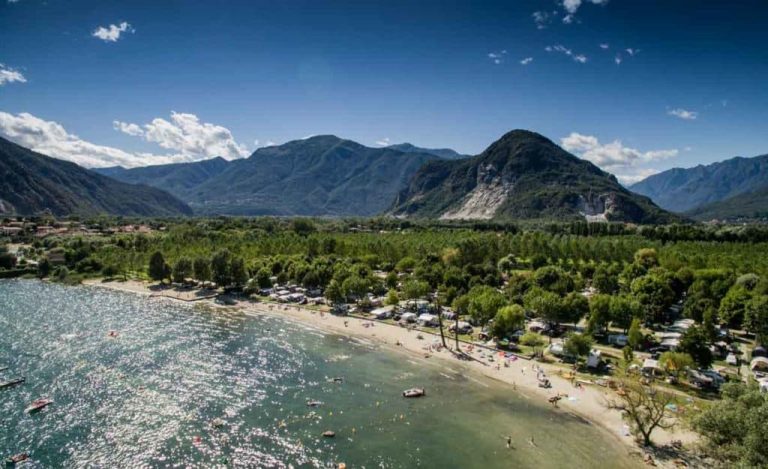
We offer a selection of campsites in Tuscany for your holidays in a caravan, tent or motorhome.

Author: We Love Camping
C'est parce que nous aimons le camping traditionnel que nous avons pensé à ce site. Parce que nous regrettons parfois que le mobile-home occupe désormais tant de place sur les campings, nous avons voulu mettre en avant les terrains où les tentes, les caravanes et les camping-cars restent majoritaire. Et offrir à tout ceux qui partagent notre amour de la vie en plein air, un site avec des idées de voyages, des conseils techniques et surtout un choix de campings où il fait bon venir poser sa caravane ou planter sa tente.
Leave a Reply