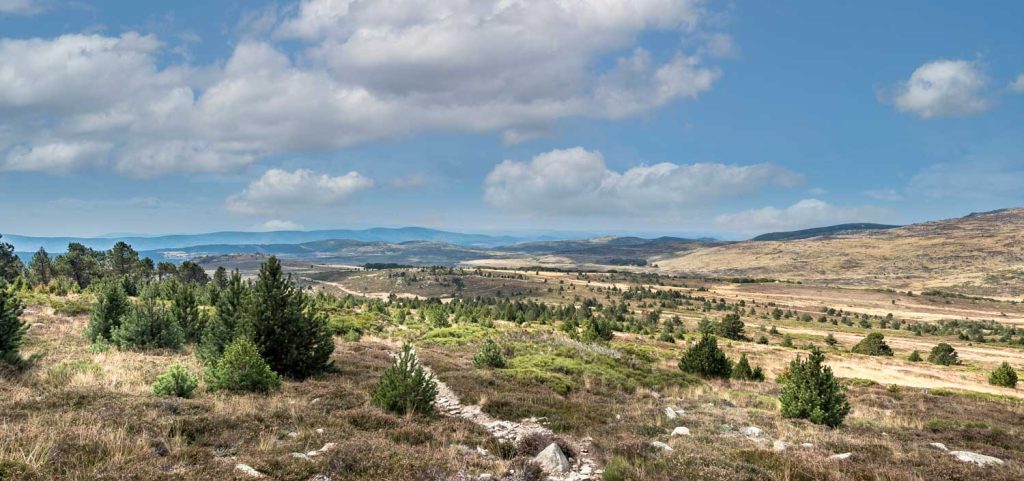
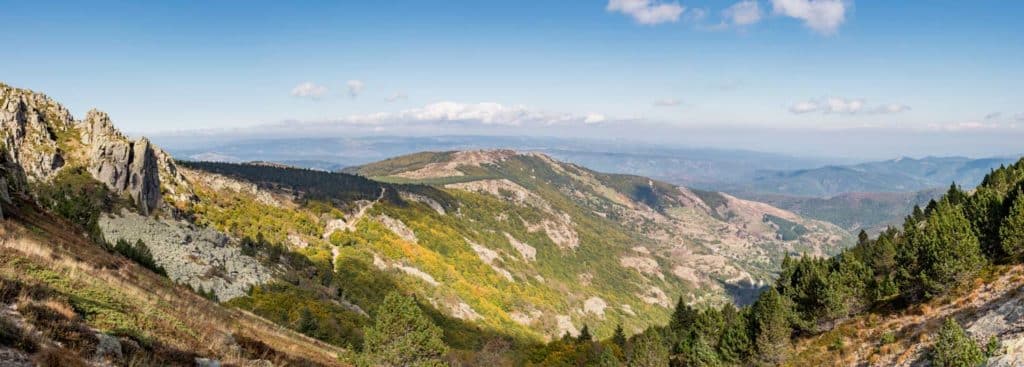
The Cévennes stretch from Lozère to Gard, with a few incursions into Ardèche and Hérault. This mountain range links the Massif Central to the Mediterranean world. Like a border between the two sides of the Cévennes, Mont Aigoual (1,567 metres) stands at the edge of Lozère and Gard and, on a clear day, offers beautiful views of the mountains and the Mediterranean. This chain of low and medium-high mountains is carved out by beautiful steep-sided valleys, dotted with charming villages with an authentic character. It is a region of wide open spaces and unspoilt nature. In fact, since 1970, a large part of the Cévennes has been incorporated into the Cévennes National Park, which covers 2,700 km². In addition, since 2011, a large part of the Cévennes has been listed as a UNESCO World Heritage Site. The Scottish writer Robert Louis Stevenson (Treasure Island) was not mistaken when he travelled through the Cévennes with a donkey in 1878. He recounted his journey in his book Travels with a Donkey in the Cévennes. Today, the GR70 follows this route through the Cévennes. It is a beautiful route that you can use as inspiration for your camping holiday in the Cévennes.
Discover our campsites in the Cévennes
Camping in the Mont Lozère massif
The Cévennes reach their highest point in Lozère. In the Mont Lozère massif, the Pic de Finiels rises to 1,699 metres. While the slopes of the massif are wooded, its heights are covered with heather-covered moorland. During the summer, the heather forms a purple carpet stretching as far as the eye can see. Climbing the Pic de Finiels will take some effort, but what a reward at the top! The Pic de Finiel offers a sumptuous panorama that encompasses the Cévennes valleys and, if the sky is clear, the Mediterranean and the Alps in the distance. While this part of the Cévennes is best known for its natural riches, its heritage is also worth exploring. In the north of the Cévennes, the medieval village of Génolhac, for example, is well worth a detour during your camping holiday in Lozère in the Cévennes. The narrow streets of this 11th-century village tell the story of the Camisards. In the 18th century, following the revocation of the Edict of Nantes by Louis XIV, Protestant peasants from the Cévennes went to war against the authorities. There are many memorial sites in the Cévennes that proudly bear witness to this fight for freedom.
Camping around Mont Aigoual
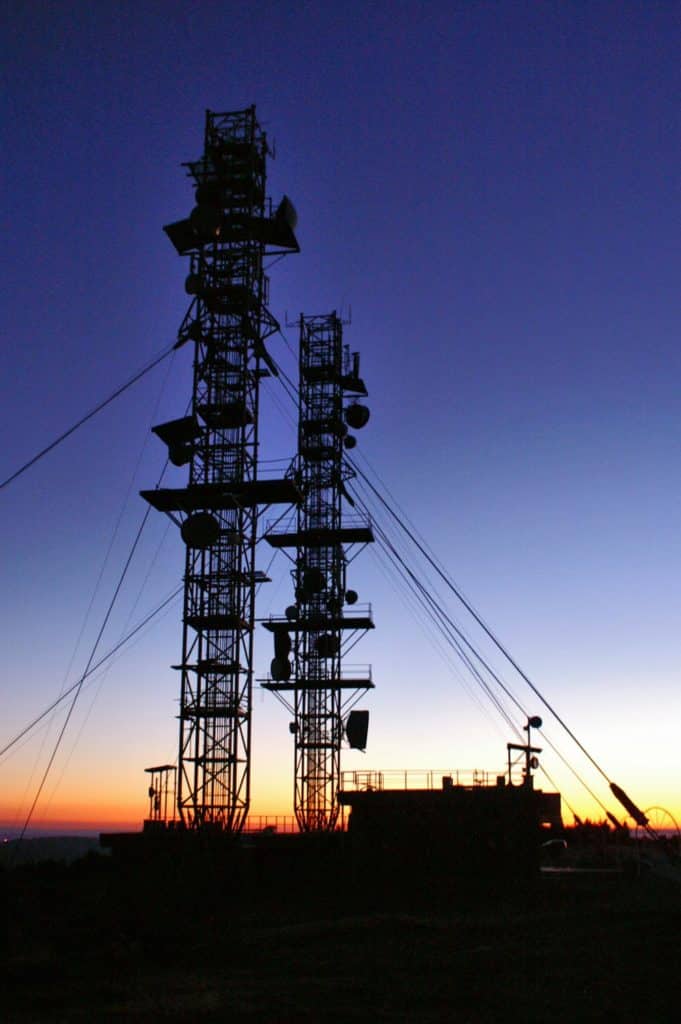
The other peak in the Cévennes is Mont Aigoual. It rises to 1,567 metres and forms a link between the Grands Causses region and the Cévennes. Like Mont Lozère, its wooded slopes contrast with its bare summit, which is crowned by a weather observatory. It should be noted that Mont Aigoual is located on the watershed between the Mediterranean Sea and the Atlantic Ocean. It is also the first rocky foothill on which clouds from the Mediterranean crash. In fact, Aigoual means “water” in Occitan! All the more reason to set up a weather observatory there. From the tower, you can enjoy a superb panorama. A preserved natural area, Mount Aigoual is an invitation to enjoy outdoor sports. With the Pôle Nature 4 Saisons in the Aigoual massif, you will have access to a wide range of activities to try during your camping holiday in the Gard or Lozère. Interpretive trails, mountain biking, horse riding, orienteering and geocaching in summer, and snowshoeing in winter.
At the foot of Mont Aigoual, from the village of Meyrueis, you can visit the Jonte Gorges, which originate on its slopes. Less well known than their neighbours in the Tarn, into which the Jonte flows, they are just as worth a visit. Especially if you enjoy bird watching. Many vultures nest in their cliffs. The underground is also worth exploring, with the magnificent Dargilan cave and its 2,000 m² petrified waterfall, unique in the world.
Following the Corniche des Cévennes
To connect the Lozère part of the Cévennes and their southern slopes in the Gard, nothing beats the Corniche des Cévennes road between Florac and Saint-Jean-du-Gard. This road was built at the request of the king during the War of the Camisards in order to monitor troop movements. It is hardly surprising, then, that it offers so many beautiful views of the Cévennes valleys. Don’t miss those of Saint-Laurent-de-Trêves, the Col des Faïsses or the Col de Saint-Pierre, which are among the most beautiful. If you have time, stop off at the picturesque medieval village of Barre-des-Cévennes.
Camping in the Cévennes in the Gardons Valley
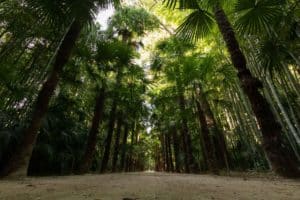
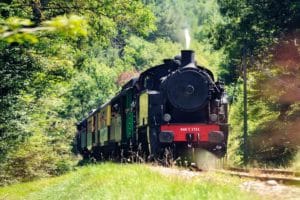
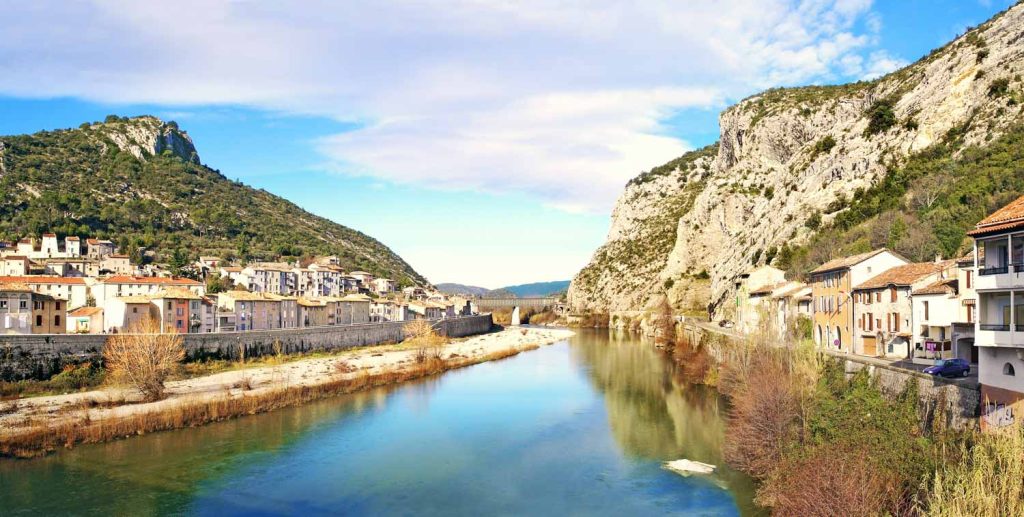
The Cévennes coastal road takes you to Saint-Jean-du-Gard, following the route taken by Stevenson and his donkey. You are now in the Gardons Valley. The Gardons are actually seven rivers that form a complex hydrographic network. They originate in Lozère and cross the Gard before flowing into the Rhône. They are often named after one of the villages built on their banks: Gardon de Saint Jean du Gard, Gardon de Sainte Croix Vallée Française, Gardon de Saint Martin de Lansuscle, Gardon de Saint Germain de Calberte, Gardon de Saint Etienne Vallée Française, Gardon de Mialet, Gardon d’Anduze and Gardon d’Alès. Between Anduze, Miallet and Saint-Jean-du-Gard, there are countless opportunities for fishing and swimming in white water. You’re sure to enjoy the pure waters of the Gardons for cooling off during your camping holiday in the Cévennes and Gard. The Cévennes steam train, which connects Saint-Jean-du-Gard to Anduze, is an original way to discover the landscapes of this beautiful region. This authentic steam train will take you back in time and stops at the Bamboo Garden in the Cévennes. This is your chance to visit the largest bamboo garden in Europe. This botanical garden is home to over 1,000 varieties of bamboo, trees and remarkable plants. A true haven of greenery and tranquillity.
To learn a little more about the Cévennes, the Maison-Rouge in Saint-Jean-du-Gard is a museum dedicated to Cévennes identity. Housed in a former spinning mill, it looks back at the Cévennes of yesterday and today.
A spectacle to admire at night while camping in the Cévennes
One of the advantages of camping is living in the open air. This is a real bonus in the Cévennes. Once night falls, you can enjoy a spectacular show. Since 2018, the park has been certified as an International Dark Sky Reserve. With 3,560 km² certified, it is the largest of the 13 European reserves. Thanks to this label, sustainable and non-polluting public lighting has been installed, allowing you to fully enjoy the magnificent starry skies during your camping holiday in the Cévennes. The show is right outside your caravan!
Our campsites in the Cévennes
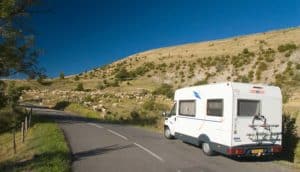
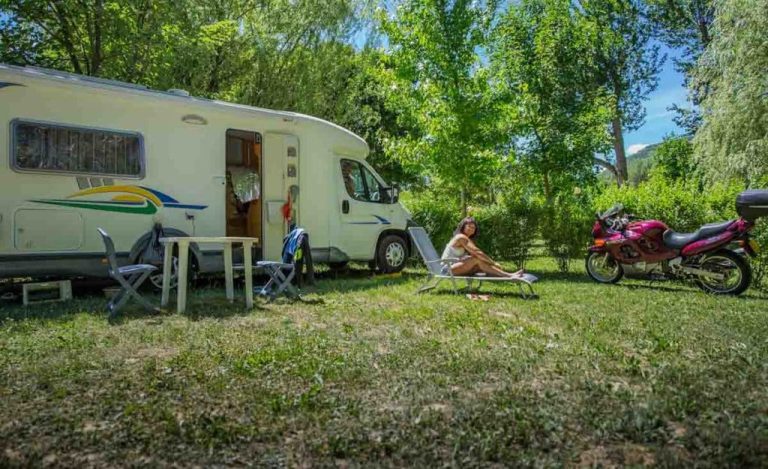
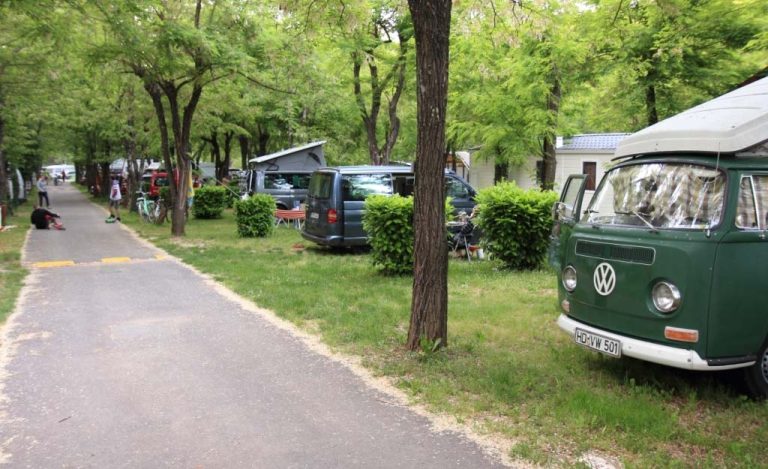
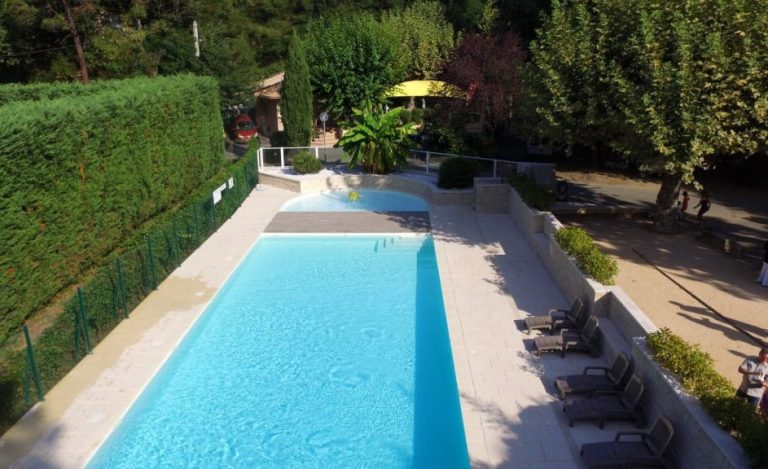
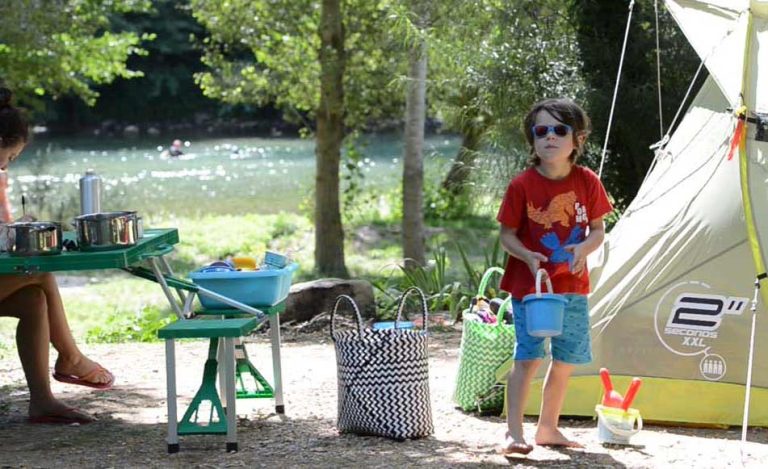
A selection of campsites for holidays in caravans, tents or motorhomes in the Cévennes.

Author: We Love Camping
C'est parce que nous aimons le camping traditionnel que nous avons pensé à ce site. Parce que nous regrettons parfois que le mobile-home occupe désormais tant de place sur les campings, nous avons voulu mettre en avant les terrains où les tentes, les caravanes et les camping-cars restent majoritaire. Et offrir à tout ceux qui partagent notre amour de la vie en plein air, un site avec des idées de voyages, des conseils techniques et surtout un choix de campings où il fait bon venir poser sa caravane ou planter sa tente.
Leave a Reply